Motorcycle Culture in Africa: A Snapshot | Country Examples & Popular Models 2025
7 months ago• 7 min read
In many African countries, motorcycles and scooters are far more than just personal transport. They are essential for daily commuting, goods transport, small business, and even as “motorcycle taxis.” Key factors influencing which models are popular include: cost, fuel efficiency, durability, availability of spare parts, and terrain conditions (road quality, rural vs urban). Also, local import taxes, local assembly / manufacturing, and regulatory environment have big impacts.
Below are observations and examples from selected countries among those you listed: Country Examples & Popular Models
Nigeria
Motorcycles are widely used in Nigeria, not only for individual transport but also in commercial uses like motorcycle taxis (“okadas”), delivery, and dispatch.
Popular brands include Honda, Yamaha, Suzuki, Bajaj, TVS, and local / Chinese brands (for lower cost options).
Some of the common models you’ll see:
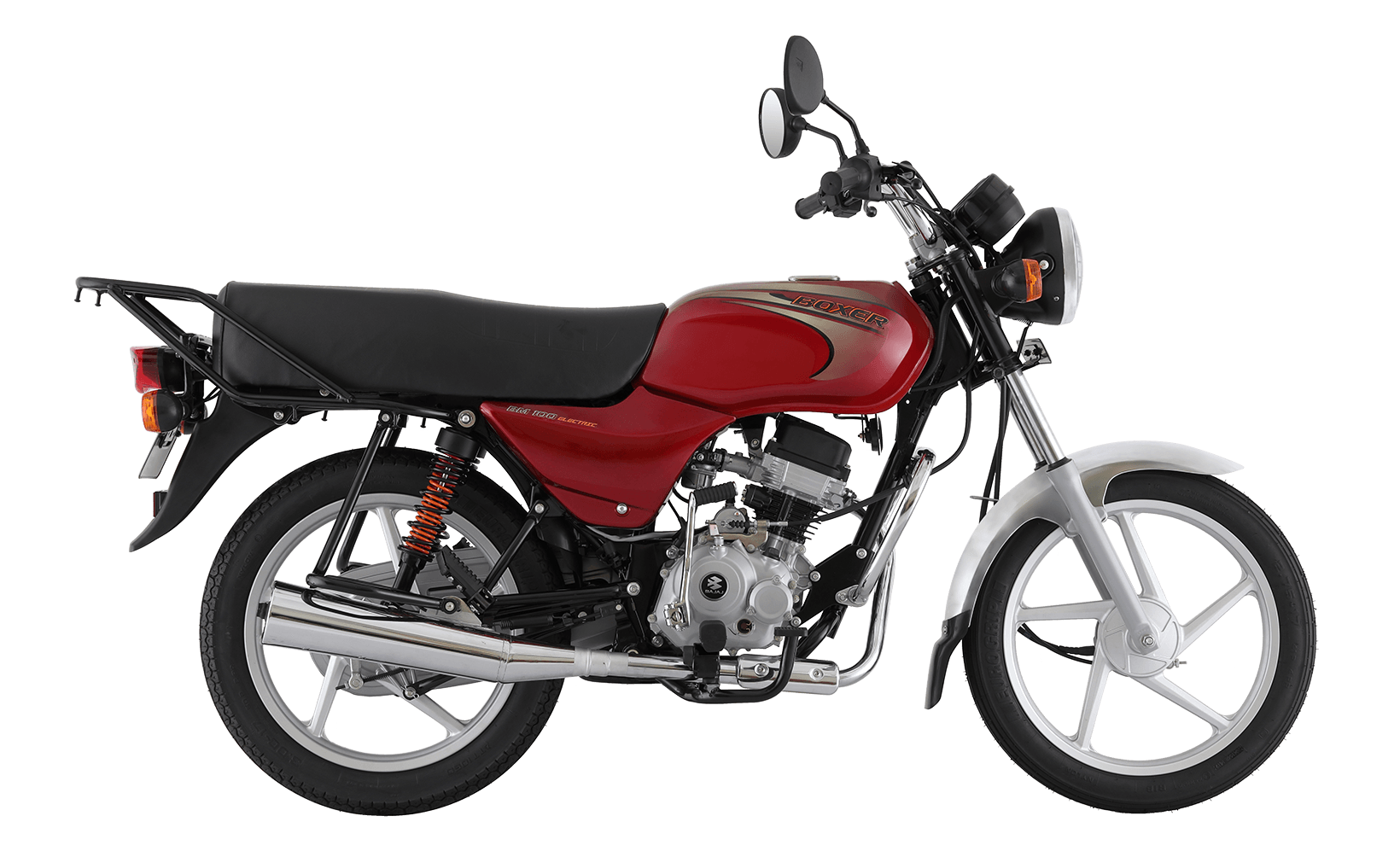
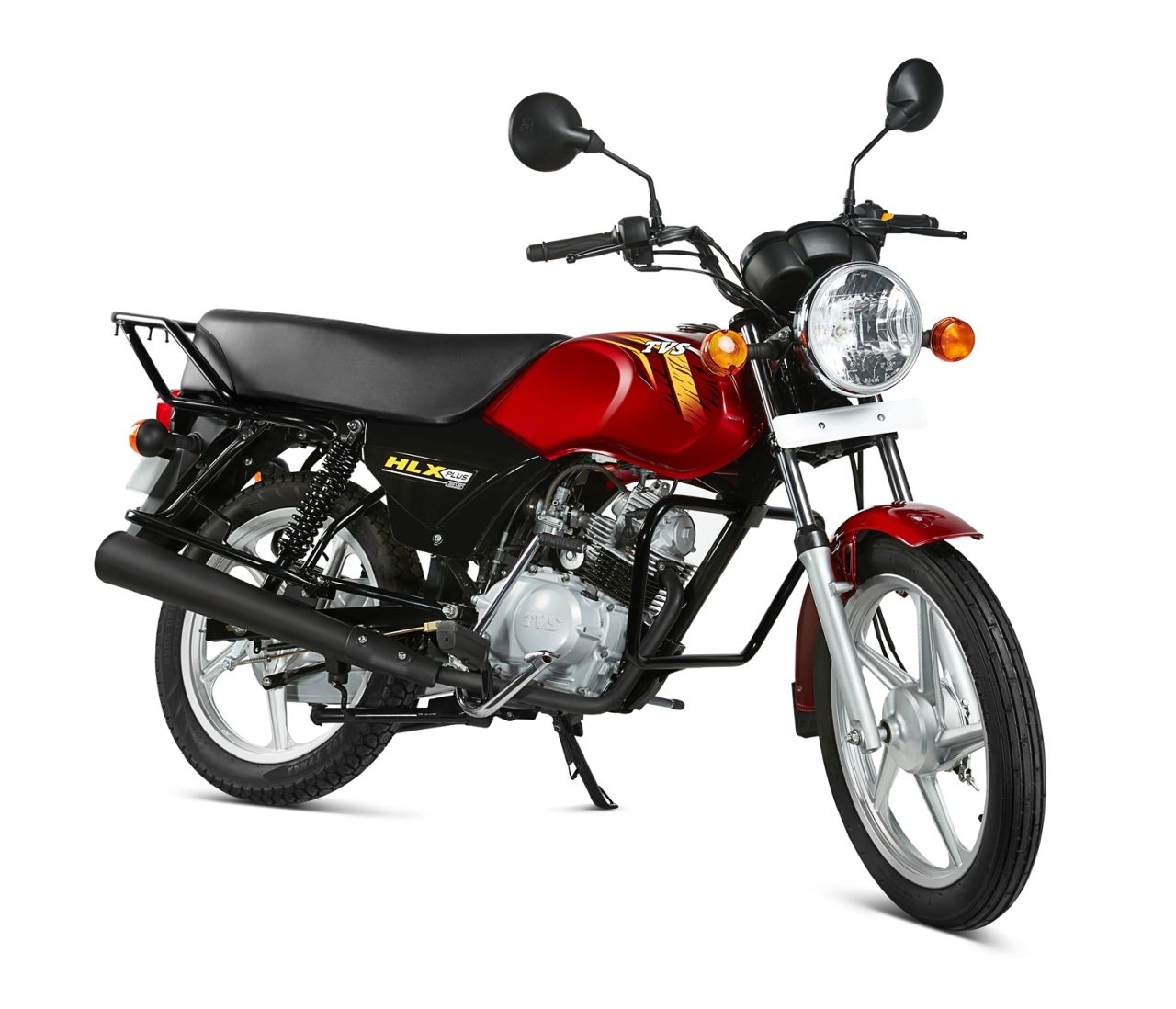
ModelWhy It’s Popular Honda CG125 - Durable, good resale, easy to repair, low maintenance. Bajaj Boxer 100 - Very popular for “okada” use: rugged, simple, good fuel efficiency. TVS HLX / Star HLX - Affordable, reliable, often used in commercial / daily commuting. Yamaha YBR 125 - For personal commuting: balance of comfort, fuel economy, reliable brand. Suzuki Gixxer SF - Sportier option but still relatively affordable; used by younger riders who want style and performance.
Scooters are less dominant in many areas, partly due to roads and partly because many users need ruggedness (scooters often less suitable for rough rural roads).
Popular brands: Honda, Yamaha, Bajaj, TVS, Lifan (some Chinese brands) because of affordability and spare parts availability.
Specific models:
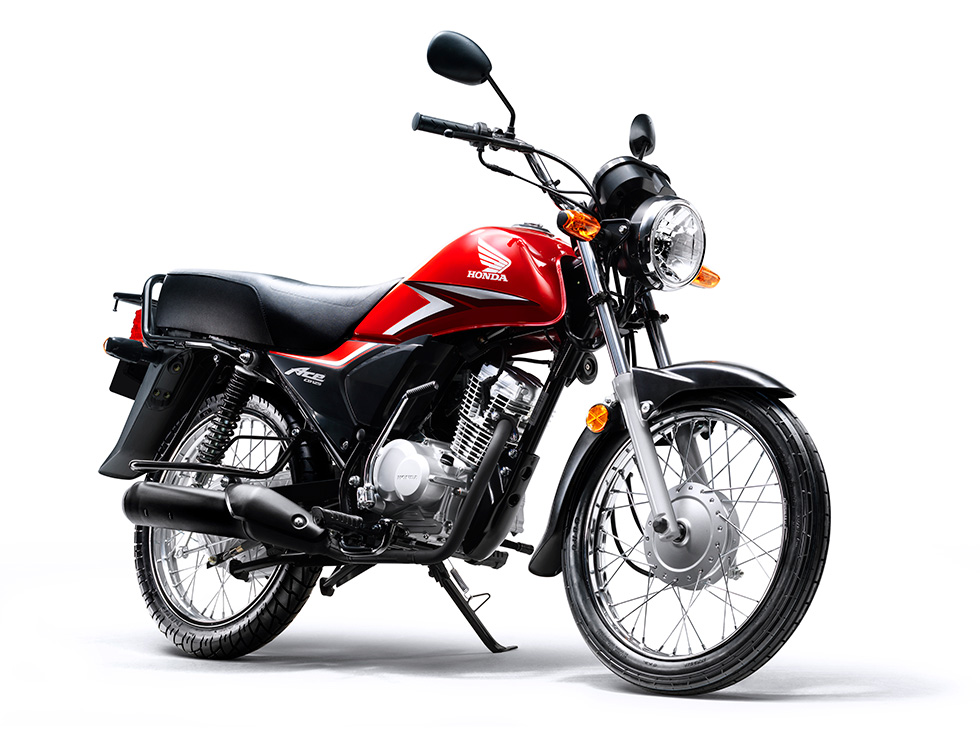
Honda Ace CB125 is noted as especially popular in Tanzania.
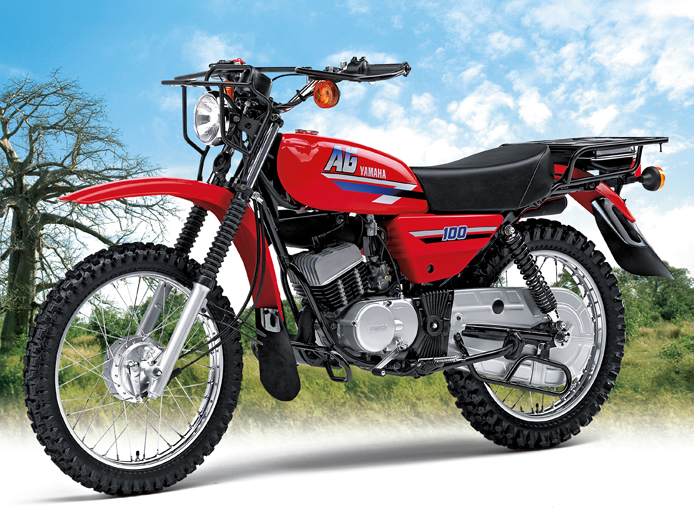
Yamaha AG100, which is known for its utility use (rural roads, farms, etc.).
Bajaj Boxer is a common “workhorse” model (used by many either for commuting or light cargo / transport).
A recent newer model launch: Honda ACE 150 was introduced, showing that there’s some appetite for upgraded, more capable bikes.
Common Patterns & Trends Across Many Countries
From information available (both from Nigeria & Tanzania, and from what little is known elsewhere), we can see several recurring patterns:
1.Low displacement bikes dominate — 100cc to ~150cc is very common. These are cheaper, easier to maintain, and consume less fuel. Many users neither need nor can afford high performance or high displacement bikes.
2. Utility over luxury — Riders often prioritize durability, ease of repair, and simplicity of design (fewer fancy electronics). If a bike can handle rough roads, simple maintenance, and local part-access, it becomes very popular.
3. Motorcycle taxis / commercial use heavily influence demand. In places with weak public transport, motorcycles serve as a means of income (transporting people or goods).
4. Imports + local assembly affect which models are common. Where import duties are high, or local assembly exists, costlier foreign models are less common unless subsidized or specifically catered. Also, spare part availability matters a lot.
5. Brand reputation & aftersales count. Brands with good service networks (Honda, Yamaha, Bajaj, TVS) tend to command trust.
6. Rural vs urban split — rural areas demand ruggedness; urban areas sometimes see more scooters / smaller bikes for short distance convenience.
Gaps, Less-Known Countries & Scooters vs Motorcycles
For many of the countries you listed (Algeria, Mauritania, Mali, Burkina Faso, Guinea, Gabon, Angola, Namibia, Zambia, Mozambique, Ethiopia, DRC etc.), detailed, up-to-date data is harder to find publicly. Some insights:
In Ethiopia, there have been discussions and regulatory moves about banning fuel-powered motorcycles in major cities and promoting electric alternatives. But still many traditional motorcycles are used in rural and peri-urban zones. Anecdotally, TVS Apache and similar brands have presence.
In many Francophone West African countries (Mali, Burkina Faso, Guinea, etc.), the used motorcycle import market is strong. Small CC bikes (100-150) from Asia are common, often second-hand. Maintenance logistics influence brand choice (some more frequent with parts availability).
Scooters / mopeds are less commonly dominant except in cities with better roads. Scooters provide ease (automatic transmission, lower need for clutch control) but are less well-suited to rough / unpaved roads, which are common in many rural African settings.
CountryDominant Two-Wheeler TypePopular Models / BrandsUnique Considerations Nigeria - Commuter / utility motorcycles, okadas | Honda CG125, Bajaj Boxer, TVS HLX, Yamaha YBR, Suzuki Gixxer | Big urban & rural divide; cost of import tax big; okadas heavily regulated in some cities Tanzania - Utility / farm / utility + commuter | Honda CB125, AG100, Bajaj Boxer, Yamaha | Spare parts access; recent models like Honda ACE 150 entering market; fuel cost, terrain Ethiopia - Mixed, moving toward regulation, electric options TVS Apache, others | Regulatory change; electric alternatives; availability of fuel/petrol infrastructure in rural vs urban
Challenges & Opportunities
Challenges:
Road and infrastructure quality: Poor roads limit which two-wheelers can be reliably used, especially scooters.
After-sales service & spares: Bikes whose spare parts are hard to find or whose repair costs are high lose favor.
Cost of ownership: Fuel cost, maintenance, licensing/regulation (including import duties).
Regulation & safety: Some countries imposing bans, licensing restrictions, or pushing toward electric motorcycles.
Opportunities:
Affordable electric two-wheelers: Given frequent fuel price issues and environmental concerns, electric bikes/scooters have potential in urban settings.
Local assembly / manufacturing: To reduce import costs & improve spare parts supply.
Customizing for local terrain: Bikes designed to handle rough rural roads, high load, minimal maintenance will continue to dominate.
While the data isn’t uniform across all the African countries you listed, clear patterns emerge: small to medium displacement motorcycles from well-known brands dominate; scooters are less widespread except in smoother urban areas; commercial (income-earning) use of motorcycles is common; and durability + ease of repair are often more important than speed or fancy features.
Key Factors in the Algerian Market
125cc Popularity:The 125cc engine size is especially favored in Algeria due to the accessibility of standard driver's licenses for these models and their excellent balance of power and fuel economy.
Brand Dominance:Honda is the top-selling brand, with its 125cc models being particularly popular for commuting.
Diverse Landscape:For riders in mountainous or desert regions, dual-sport motorcycles are a practical choice, offering a blend of off-road and street capability.
Popular Models Mentioned
Honda Wave, Dream, and PCX:These are consistently mentioned as popular choices in Algeria.
Yamaha Jupiter Z, FZ-S, and MT-15:Yamaha models, particularly the Jupiter Z and FZ-S, are also highlighted as strong sellers.
Bajaj and SYM Models:Both brands are significant players, especially in the popular 125cc commuter segment.
Factors Influencing Bike Sales in Mali
Affordability: With an economy similar to other developing nations, budget-friendly options from brands like Bajaj, Hero, and Honda are likely to sell well.
Fuel Efficiency: In regions where fuel costs are a significant factor, bikes known for their excellent mileage, such as the Honda Shine, are highly sought after.
Reliability: As essential transportation, bikes that offer dependable performance and a reputation for longevity, like the Honda brand, are a popular choice.
Availability and Resale Value: A wide range of models from popular brands and a good resale value contribute to a bike's popularity.
Commonly Sold Bike Models
Bajaj Pulsar: A consistent top-seller, known for its value, mileage, and overall performance.
Honda Shine/Hero MotoCorp: Honda and Hero are giants in the two-wheeler market. Their models are chosen for their reliability, fuel economy, and availability.
Yamaha FZ: A well-regarded model offering good performance and mileage.
TVS Apache: A popular choice for its performance and features in the commuter segment.
Top 10 motorcycle brands in Africa 2025 1. Bajaj 2. TVS 3. Honda 4. Hero MotoCorp 5. Suzuki 6. Senke 7. Yamaha 8. BMW 9. Kibo 10. Jincheng
FAQs on Motorcycle price All kind of motorcycle price in Algeria, Mauritania, Mali, Burkina Faso, Ghana, Guinea, Nigeria, Chad, Niger, Sudan, Gabon, Angola, Namibia, Zambia, Tanzania, Mozambique, Ethiopia, Mali, DRC. How much is a TVs HLX 150 in Kenya?




Comments (0)
Leave a Comment